Key Advantages of Adding Rooflights to Your Home
Fitting rooflights in a residence presents a range of significant advantages. They introduce generous amounts of natural light, which can enhance both mood and productivity. Moreover, rooflights can enhance air circulation and ventilation, creating a more pleasant living space. Their contemporary design features also enhance a home's visual charm. Homeowners might be curious about how these benefits relate to energy efficiency and higher property values. Examining these factors can uncover even more persuasive reasons to consider rooflights.
What Makes Rooflights Worth Considering?
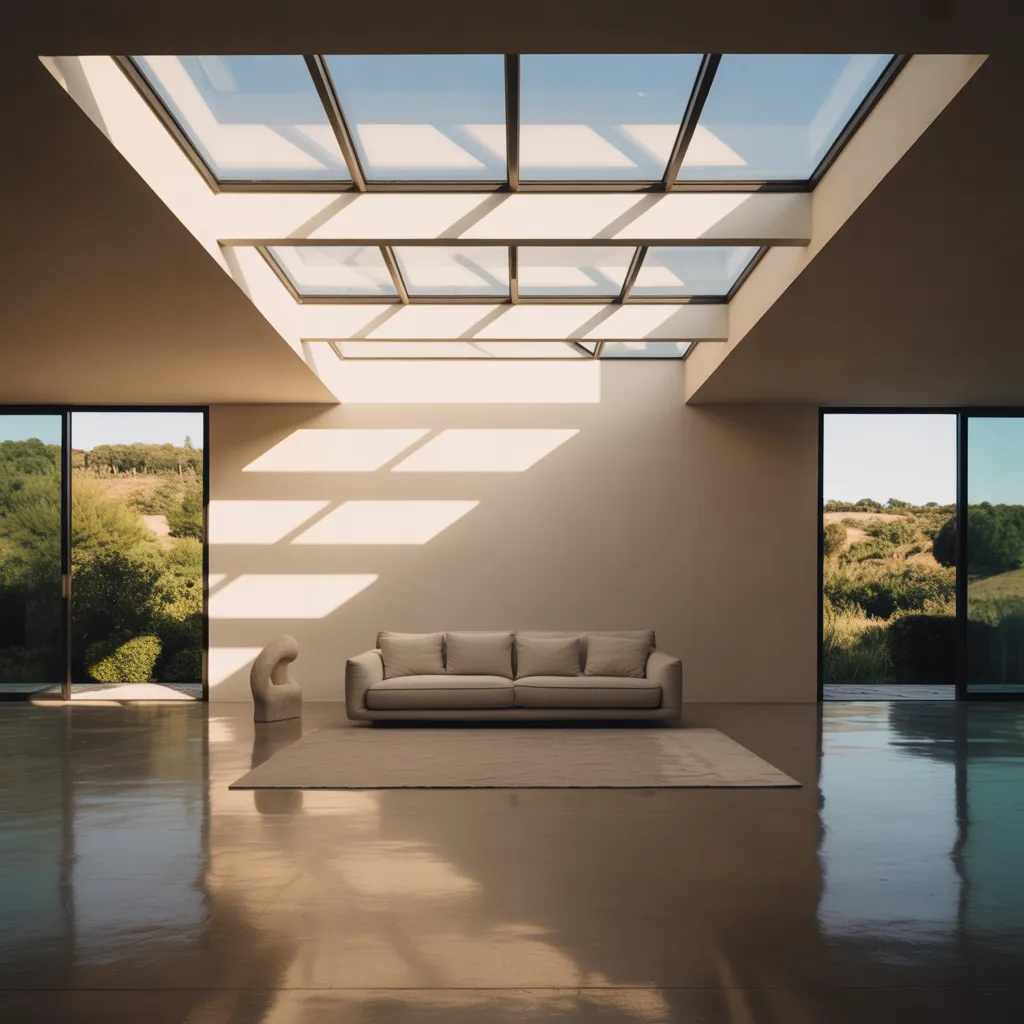
Considering rooflights can significantly improve a property's visual and practical appeal. They act as a modern design addition practical resource that not only enhances interior lighting but also adds a unique design element. Homeowners often choose rooflights to create a more open and spacious atmosphere, successfully blending interior and exterior surroundings. This combination can transform the overall feel of a room, making it appear more welcoming.
Furthermore, rooflights can boost energy efficiency by decreasing dependence on artificial lighting during daylight hours. This daylight can result in lower electricity bills over time. Rooflights also provide an opportunity for greater ventilation, encouraging better air circulation within the home. In addition, they can improve property value, as potential buyers often appreciate the modern touch and additional benefits. Consequently, installing rooflights can be a strategic investment for homeowners seeking to improve both visual appeal and usability.
Natural Light and Its Effect on Well-Being
Natural light serves an essential role in enhancing overall well-being. Research indicates that greater exposure to daylight can lift mood, raise energy levels, and support better sleep quality. By adding rooflights to a home, residents can harness these benefits for a healthier living environment.
Mood Boosting Through Lighting
Light functions as a potent catalyst for mood enhancement, profoundly affecting mental wellness. Daylight, particularly via rooflights, can create a serene atmosphere that fosters a positive outlook. Scientific evidence suggests that sunlight exposure leads to elevated levels of serotonin, a brain chemical associated with happiness and a relaxed state of mind. This improved mental state can be particularly helpful in the darker seasons when daylight is scarce. Additionally, the abundance of natural light can alleviate anxious and depressive feelings, promoting a greater sense of emotional equilibrium. By integrating rooflights into a home, individuals can take advantage of the mood-boosting benefits of natural light, converting their living spaces into sanctuaries of peace and happiness, ultimately promoting a healthier, happier lifestyle.
Enhanced Energy Levels
A strong relationship exists between access to natural light and improved energy levels throughout the day. Natural light acts as a vital source of energy, encouraging the body's production of serotonin, a hormone linked to enhanced mood and alertness. When individuals receive sufficient daylight, their circadian rhythms are beneficially affected, leading to greater productivity and concentration. Rooflights are notably successful in capturing this natural light, enabling sunlight to fill living spaces, thereby energizing inhabitants. The introduction of light not only combats feelings of fatigue but also promotes a more dynamic atmosphere. As a result, those who enhance their homes with rooflights often notice increased energy levels and an overall sense of vitality, making them an indispensable addition to any living environment.
Enhanced Sleep Quality
Restful sleep is fundamental to overall well-being, and exposure to natural light plays a pivotal role in regulating sleep patterns. Rooflights increase the level of natural light within living areas, which can have a profound effect on circadian rhythms. Increased sunlight exposure helps to boost serotonin levels during the day, facilitating better mood and energy levels. When evening draws near, diminishing light signals the body to release melatonin, the key hormone that induces sleep. This natural process encourages deeper and more restorative sleep. Evidence shows that homes with plentiful natural light can help combat insomnia and boost overall sleep quality. By fitting rooflights, homeowners can capitalise on the advantages of natural sunlight, fostering healthier sleep habits and greater well-being.
How Rooflights Enhance Ventilation and Air Quality
Rooflights are fundamental to improving residential ventilation and air quality. By promoting enhanced airflow throughout a space, they allow stale air to escape while inviting fresh air inside. This natural supply of fresh air can greatly contribute to a healthier indoor environment.
Optimized Airflow Distribution
When exploring options to upgrade indoor living areas, incorporating rooflights can significantly enhance ventilation. Rooflights promote air movement by letting warm air travel upward and out, creating a natural flow that encourages cooler air to enter from below. This process not only helps to maintain a comfortable temperature but also minimizes the buildup of stale air and indoor pollutants. By strategically placing rooflights, homeowners can optimize cross-ventilation, enhancing overall air quality. Additionally, the introduction of natural light through rooflights complements improved airflow, creating a more inviting and healthier living space. In summary, fitting rooflights represents a practical approach to improving air circulation throughout the home.
Fresh Natural Air Supply
Since many homeowners are searching for ways to boost indoor air quality, the inclusion of rooflights provides a significant advantage by improving ventilation. Rooflights facilitate natural air movement, permitting stagnant air to exit while welcoming fresh outdoor air. This approach helps reduce indoor irritants, allergens, and dampness levels, fostering a cleaner and healthier indoor space. By placing rooflights in optimal locations, homeowners can promote effective cross-ventilation, ensuring that air circulation is maximized throughout the space. Furthermore, the presence of natural light works alongside the improved air supply, additionally elevating the overall atmosphere. All things considered, incorporating rooflights not only promotes better air quality but also contributes to energy efficiency, as decreased dependence on mechanical ventilation systems reduces energy usage.
Boosting Aesthetic Appeal With Rooflights
How does the careful arrangement of rooflights enhance a living area? Rooflights function as an architectural element that elevates the visual charm of any space. By allowing natural light to flood in, they create an open and airy atmosphere, making spaces feel larger and more inviting. The dynamic relationship between light and shadows can accentuate structural features, directing the eye toward elaborate patterns and surfaces.
Furthermore, rooflights may act as visual anchors, bringing character to otherwise dull ceilings. They come in numerous styles and sizes, affording homeowners the opportunity to align with their distinctive interior design. Whether placed in a contemporary minimalist space or a classic environment, rooflights can complement the overall design theme. Additionally, the glimpse of the sky and surrounding environment through rooflights can bring a sense of tranquility and connection to nature, additionally improving the overall ambiance within the home.
Spend Less With Energy-Efficient Rooflights
Eco-friendly rooflights present homeowners with a viable option for cutting energy costs while boosting natural brightness. By optimizing the amount of daylight that enters a space, these rooflights reduce dependence on artificial light sources, resulting in reduced electricity costs. A wide range of models utilise cutting-edge glazing solutions that reduce heat escape in cooler periods and control heat absorption in warmer months, supporting more balanced interior temperatures.
Furthermore, making use of natural light can improve overall wellbeing and efficiency, further justifying the investment. Homeowners may also discover that energy-efficient rooflights qualify for various energy efficiency incentives and rebates, increasing the financial benefits. Beyond this, the strategic placement of rooflights can optimize ventilation, decreasing reliance on air conditioning and further lowering energy expenses. All things considered, energy-efficient rooflights present a compelling option for individuals aiming to make their homes more focused on sustainability and cost-effectiveness.
Boost Your Home's Value With Rooflights
Rooflights have the potential to considerably increase a home's worth, as they not only enhance the visual appeal but also foster a warmer and more expansive ambiance. By enabling natural light to pour into living spaces, rooflights render rooms more expansive and inviting. This brightness can notably appeal to potential buyers, helping the property distinguish itself in a crowded marketplace.
Furthermore, rooflights are frequently aligned with contemporary design movements, which can entice potential buyers in search of contemporary features. The addition of these features can also indicate reduced energy consumption, as they reduce the requirement for man-made light sources in daylight hours.
Moreover, well-placed rooflights can elevate the overall practicality of a home, making spaces such as kitchens and living rooms more pleasant. As a result, choosing to invest in rooflights serves not only to enhance the home's visual appeal but also to improve its market value, making it a wise choice for homeowners planning renovations.
Commonly Asked Questions
How Do Rooflights Affect a Home's Insulation Properties?
Rooflights are able to improve a home's energy efficiency by permitting natural light to enter while reducing heat loss. Properly installed, they increase energy efficiency and reduce reliance on artificial lighting, promoting significant energy savings and enhanced comfort across the living area.
What Upkeep Do Rooflights Require?
Routine upkeep for rooflights involves cleaning the glass, identifying any leaks, assessing the seals, and confirming the surrounding roofing remains in good condition. Periodic assessments help maintain functionality and prevent potential damage over time, promoting longevity and optimal performance.
Are Rooflights Suitable for Installation in Existing Roofs?
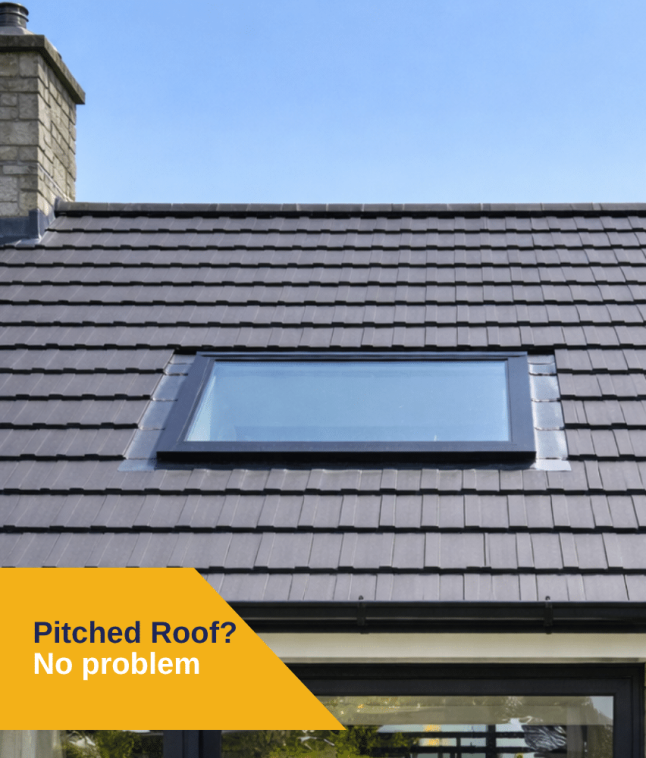
Absolutely, rooflights are able to be installed in roofs that are already in place, provided the structural integrity remains intact. A professional assessment is crucial to establish that the installation is compatible with the existing roof design and to adhere to insulation requirements and building regulations.
Are Building Regulations Required for Installing Rooflights?
Indeed, building regulations govern rooflight implementation, ensuring safety, energy efficiency, and structural integrity. Compliance with local regulations is essential, often requiring official planning consent or conformance to defined standards relating to size, placement, and materials used.
Which Types of Rooflights Are Available on the Market Today?
A wide range of rooflights is available, ranging from fixed and opening options to skylights. Manufactured in materials like glass and polycarbonate, providing choices for both visual appeal and practical use, meeting the demands of diverse architectural styles and preferences.